
Introduction
If you’re wondering how to start farming, you’re stepping into a field full of opportunity—both literally and financially. Whether your goal is self-sufficiency, a side income, or building a full-scale agricultural business, this beginner farming guide will walk you through everything you need to know.
Many people hesitate because they think farming requires large land, heavy investment, or years of experience. The truth is, with proper agricultural planning and the right approach, anyone can begin starting a farm—even from scratch. This guide will help you understand each step clearly, from land selection to choosing the right crops and tools.
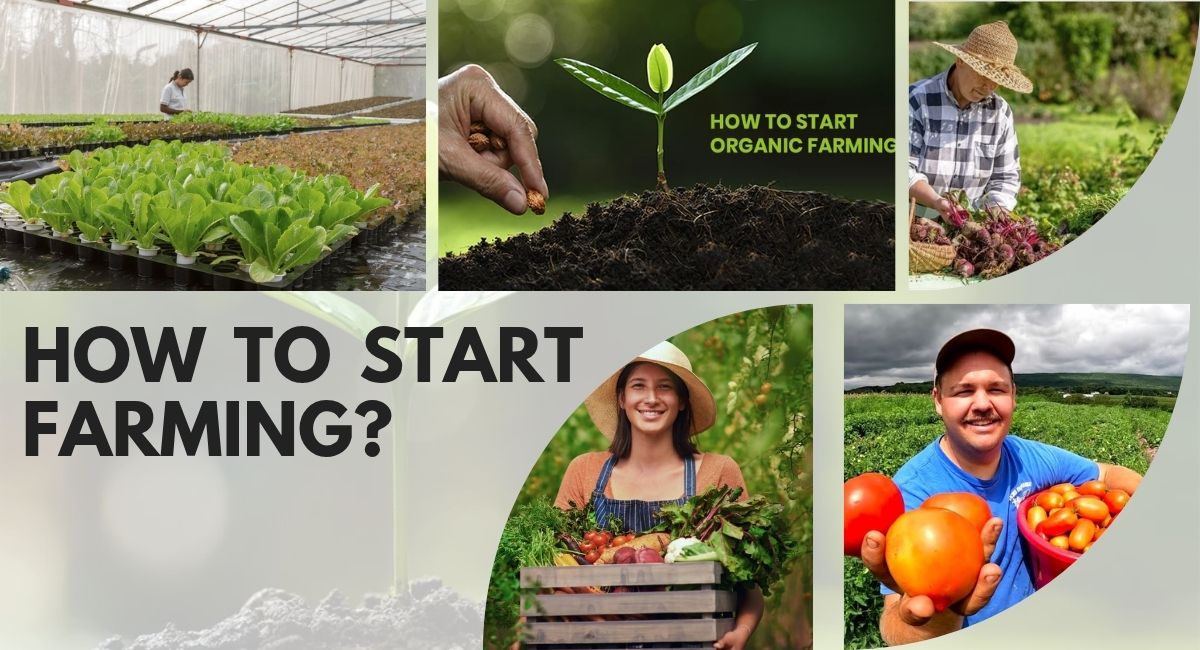
How to Start Farming? Step-by-Step Process
1. Learn the Basics of Farming
Before jumping in, How to start farming, it’s essential to understand the fundamentals:
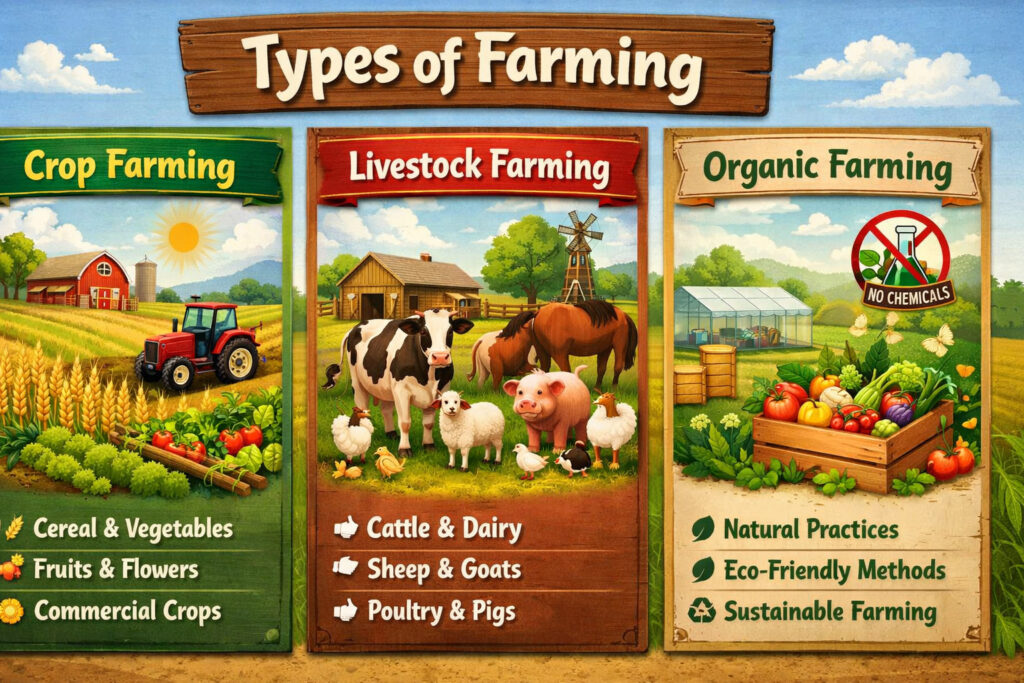
- Types of farming (crop, livestock, organic)
- Seasonal cycles and climate conditions
- Market demand and pricing
A strong foundation is key to any successful farm startup guide.
2. Decide What Type of Farming to Start
Al lot of people spend their most of time only in thinking that how to start farming rather then takes practical steps to get in. Choosing the right niche is critical. Some popular options include:
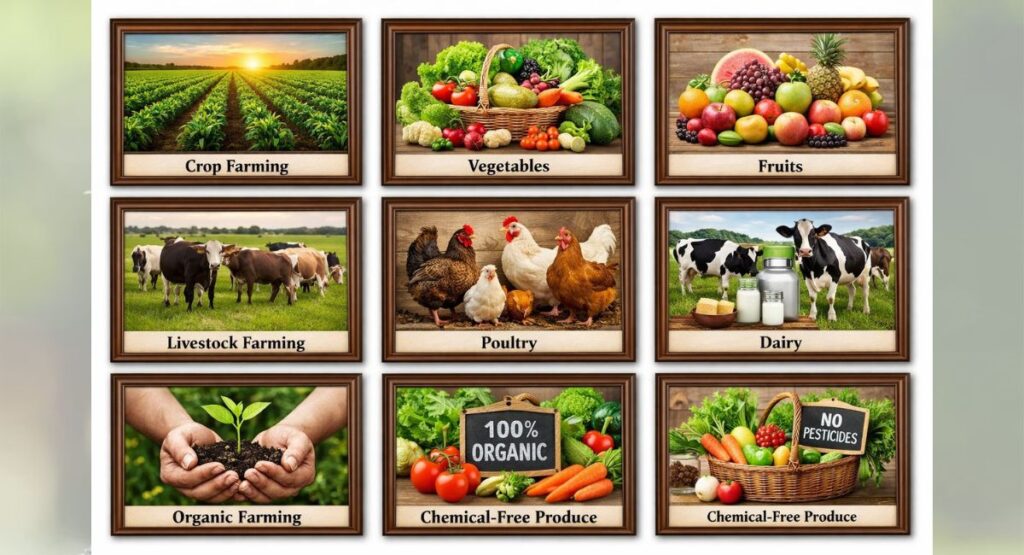
- Crop farming (vegetables, fruits, grains)
- Livestock farming (poultry, dairy)
- Organic farming (chemical-free produce)
If you’re new, how to start small scale farming is often the best option to minimize risk.
3. Land Selection and Soil Preparation
The quality of your land directly impacts your results:
- Conduct soil testing
- Improve fertility with compost
- Ensure proper drainage
Effective soil preparation sets the foundation for healthy crops.
4. Choose Efficient Irrigation Methods
Water management plays a huge role in farming success:
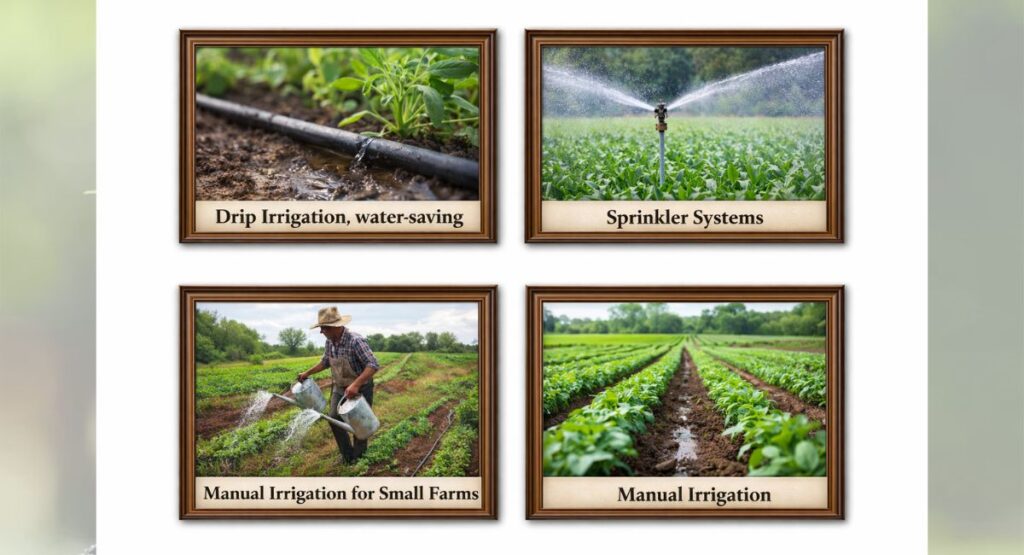
- Drip irrigation (water-saving and efficient)
- Sprinkler systems
- Manual irrigation for small farms
Selecting the right irrigation methods ensures consistent crop growth.
5. Smart Crop Selection
Choosing the right crops depends on:
- Climate and soil type
- Market demand
- Profit margins
Proper crop selection helps maximize yield and income.

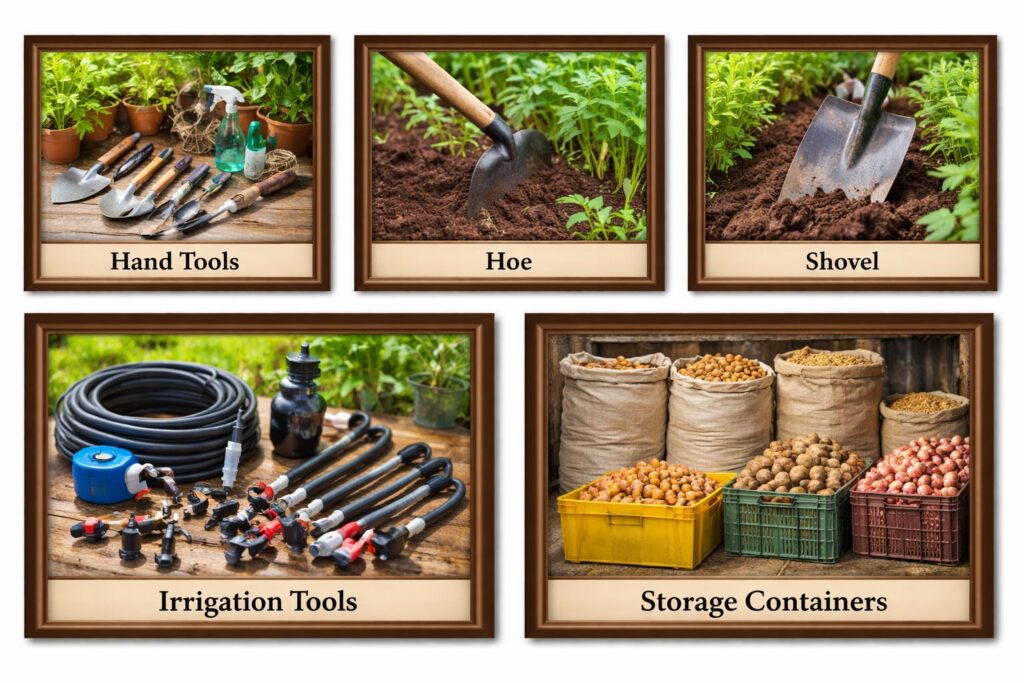
6. Invest in Basic Farm Equipment
You don’t need expensive machinery to start. Basic farm equipment includes:
- Hand tools (hoe, shovel)
- Irrigation tools
- Storage containers
As you grow, you can invest in advanced equipment.
7. Pest Control and Crop Protection
Protecting your crops is essential:
- Use organic or chemical pesticides wisely
- Monitor crops regularly
- Maintain farm hygiene
Good pest control practices prevent losses and improve quality.
8. Create a Farming Plan
A proper plan includes:
- Budget and investment
- Crop cycles
- Expected profit
Strong agricultural planning helps you stay organized and profitable.
How to Start a Farming Business from Scratch
If you want to turn farming into a business, follow these steps:
Market Research
Understand what crops or products are in demand in your area.
Business Planning
Create a plan covering:
- Investment
- Production
- Sales channels
Explore Agriculture Business Ideas
Some profitable agriculture business ideas include:
- Organic vegetable farming
- Dairy farming
- Poultry farming
- Hydroponic farming
How to Start Farming with No Experience
Starting with zero experience is possible if you:
- Begin small (backyard or rented land)
- Learn from experienced farmers
- Watch tutorials and take short courses
This is the best way to approach how to start farming with no experience without taking big risks.
How to Start Organic Farming at Home
Organic farming is growing in demand due to health awareness.
Steps to begin:
- Use natural fertilizers (compost, manure)
- Avoid chemical pesticides
- Grow easy crops like vegetables and herbs
This is ideal for beginners looking for how to start organic farming at home.
Modern Farming Techniques to Increase Productivity
Using modern farming techniques can significantly improve efficiency:
- Hydroponics (growing without soil)
- Vertical farming (space-saving method)
- Smart irrigation systems
These methods are especially useful for small landowners and urban farmers.
Is Farming a Profitable Business?
Farming can be highly profitable if managed properly. Success depends on:
- Crop choice
- Cost control
- Market access
Start small, reinvest profits, and scale gradually for long-term success.
Frequently Asked Questions (FAQs)
- How to start a farming business from scratch?
Start by choosing a niche, creating a business plan, securing land, and investing in basic tools. Then focus on production and marketing.
- How to start farming with no experience?
Begin with small-scale farming, learn basic techniques, and gain hands-on experience before expanding.
- How to start small scale farming?
Use a small plot of land, grow easy crops, and sell locally to minimize risk and investment.
- How to start organic farming at home?
Use natural fertilizers, grow vegetables, and avoid chemicals to create a sustainable home-based farm.
- What is the beginner guide to farming step by step?
Learn basics, choose crops, prepare soil, manage water, protect crops, and create a farming plan.
Conclusion
Understanding how to start farming is the first step toward building a rewarding and sustainable future. With the right mindset, proper soil preparation, smart crop selection, and efficient irrigation methods, you can successfully launch your farming journey.
Whether you want a small home garden or a full-scale agricultural business, the opportunities are endless. Start small, stay consistent, and keep learning—your farming success will grow over time