
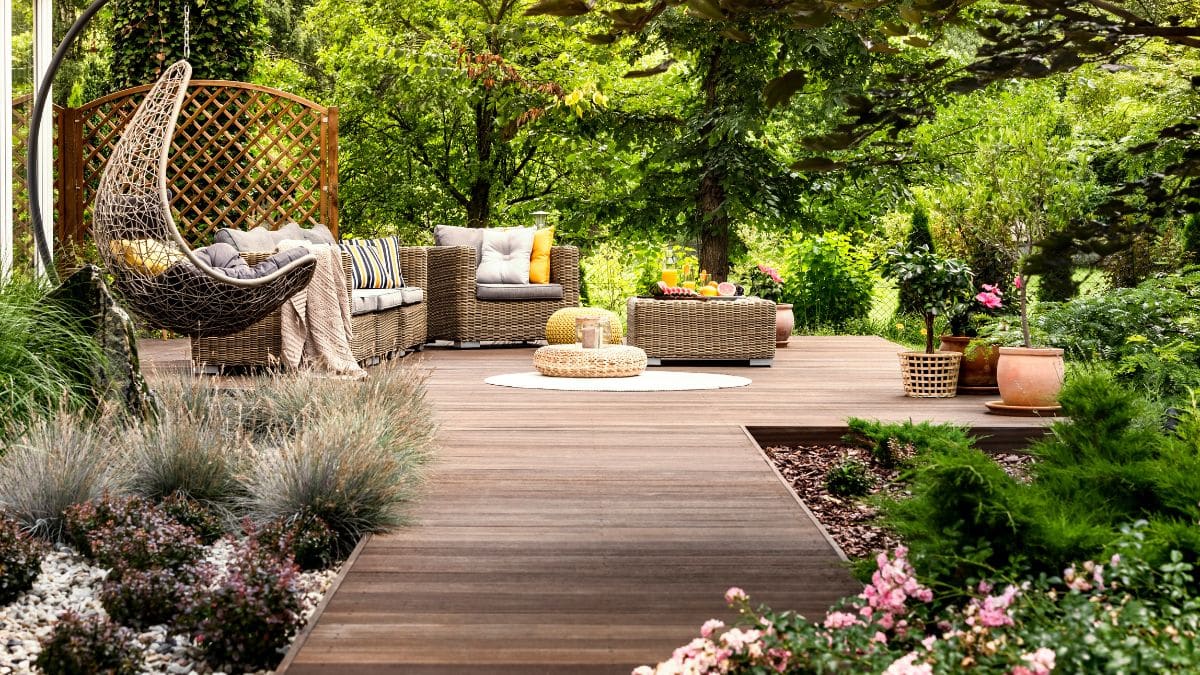
Imagine stepping into your backyard garden and observing vibrant green foliage, colorful flowering plants, and fresh vegetables thriving just beyond your door. This vision represents more than aesthetic appeal—it embodies a measurable contribution to planetary health and atmospheric balance.

According to research findings from NASA’s Clean Air Study, residential gardens and urban vegetation collectively remove harmful pollutants from the air we breathe. The data suggests that a modest garden measuring approximately 25 square meters can absorb between 150-200 kilograms of carbon dioxide annually science—equivalent to offsetting several weeks of automotive emissions.
Research published by the Environmental Protection Agency demonstrates that gardens reduce ambient temperatures through evapotranspiration, lowering localized heat by 2-5°C compared to hardscaped areas EPA guidelines for sustainable landscaping . This thermal regulation translates to reduced cooling costs and decreased household energy consumption.
The benefits extend beyond environmental metrics to encompass significant psychological well-being improvements. Scientific studies confirm that interaction with plants reduces cortisol levels and enhances mood states umich.edu. Even passive observation of botanical elements provides restorative effects after demanding periods.
Whether you possess expansive outdoor space or a modest corner, this professional guide provides evidence-based strategies for establishing a productive, sustainable garden. You’ll discover diverse design philosophies, cultivation techniques, and climate-specific recommendations grounded in peer-reviewed research. Let’s begin this transformative journey toward environmental stewardship and personal fulfillment.
What is a Backyard Garden?
At its finest expression, a backyard garden is far more than a patch of cultivated earth behind a home. It is a living, breathing sustainable ecosystem — a carefully orchestrated interplay of soil biology, seasonal rhythms, microclimates, and intentional design that transforms ordinary residential land into a high-functioning natural environment. Rooted in the principles of modern landscape architecture and evidence-based horticulture, a backyard garden functions simultaneously as a personal sanctuary and a productive of the home itself. The world’s leading landscape researchers and environmental designers now recognize it not as an amenity, but as an essential infrastructure of contemporary living — one that answers the urgent demands of ecological responsibility while satisfying deeply human needs for beauty, stillness, and connection to the natural world.
For homeowners across the USA, Europe, and Australia, this distinction carries extraordinary weight. Rising urban density, fragmented green corridors, and a global re-examination of food supply chains have repositioned the residential garden as a cornerstone of sustainable living. Whether you are harvesting organic produce from raised beds in Portland, cultivating a structured kitchen garden in the English countryside, or managing a drought-tolerant plot in suburban Melbourne, the backyard garden delivers measurable, compounding returns. Studies in environmental psychology consistently link therapeutic outdoor spaces with reduced cortisol levels and elevated mental tranquility, while real estate analysts across all three markets confirm that professionally landscaped gardens increase property valuations by between 10 and 20 percent. Add the environmental dividend — meaningful carbon footprint reduction, stormwater management, and the restoration of local pollinator networks — and the case becomes undeniable.
What elevates this further is the depth of design heritage available to today’s home cultivator. The contemplative geometry of a Japanese Zen garden, with its raked gravel and considered negative space, speaks to the same core desire as the sun-drenched symmetry of an Italian Villa garden or the wild, fire-adapted resilience of an Australian native garden. These are not merely aesthetic traditions — they are centuries of accumulated horticultural intelligence distilled into living form. Choosing to invest in a backyard garden is, in this sense, an alignment with a global continuum of landscape mastery. It is a lifestyle declaration as much as a design choice, and for the discerning homeowner, it has become non-negotiable.
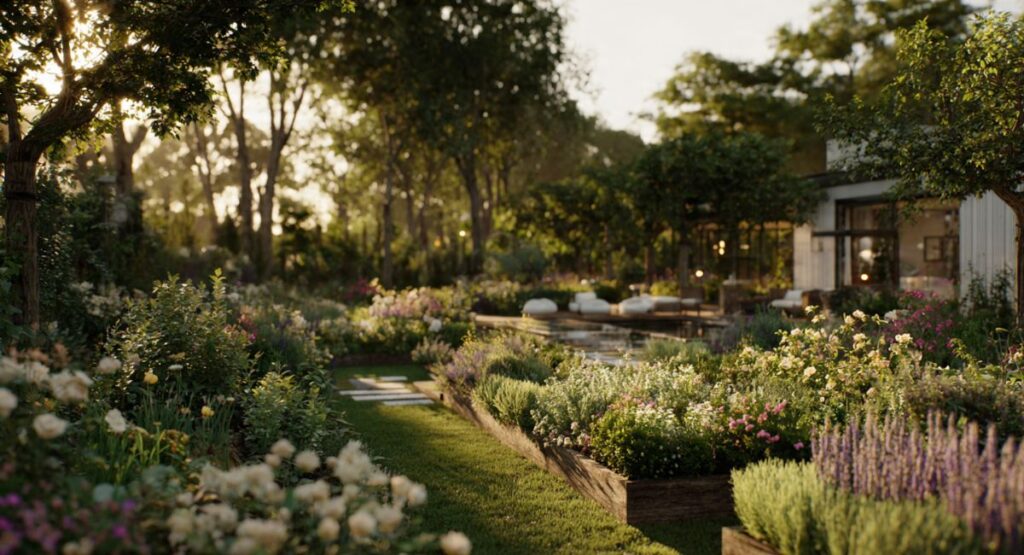
✦ 5 Quick-Win Benefits of a Professionally Cultivated Backyard Garden
- Biodiversity Amplification — Even modest garden designs can support dozens of native plant species, invertebrates, and bird populations, directly reversing localized habitat loss and strengthening urban ecological corridors.
- Hyper-Local Food Production — Strategic high-yield gardening through raised bed systems, companion planting, and vertical growing structures enables households to produce a meaningful percentage of their annual vegetable and herb consumption, reducing dependency on industrial supply chains.
- Therapeutic Landscaping & Cognitive Restoration — Immersive green environments activate the parasympathetic nervous system. Designed therapeutic outdoor spaces have been clinically shown to reduce anxiety, sharpen focus, and improve sleep architecture.
- Sustainable Cultivation & Soil Capital — Practices such as composting, no-dig cultivation, and regenerative soil management build long-term organic matter, reducing the need for synthetic inputs and sequestering carbon at the hyperlocal scale.
- Landscape Aesthetics as Tangible Asset — Thoughtfully executed urban agriculture and ornamental landscaping aesthetics operate as a dual-function investment, enhancing daily quality of life while generating measurable, appraiser-recognized increases in residential property value.
Gardening Ideas for Small Backyard: Spatial Optimization Strategies
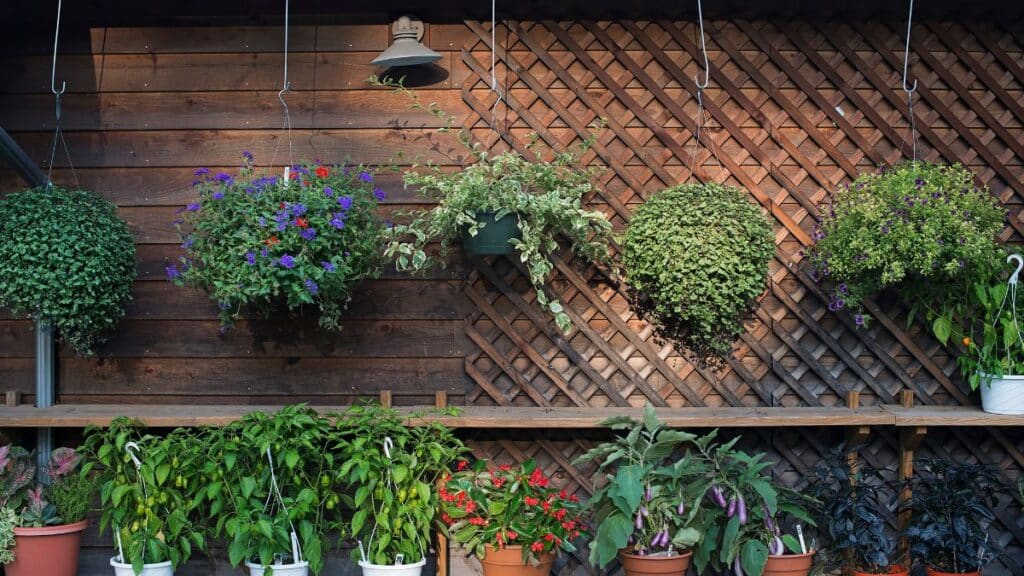
Limited square footage need not constrain horticultural ambitions. Contemporary research reveals that strategic spatial planning enables remarkably productive gardens in compact areas. The fundamental principle involves vertical cultivation—utilizing upward rather than horizontal space.
Vertical gardening systems transform conventional space limitations. Research conducted at Cornell University demonstrates that vertical configurations increase productive growing area by 300-400% . This methodology enables cultivation of 20-30 distinct plant varieties within an area measuring merely 10 square meters.
Practical implementation approaches:
Wall-mounted planters utilize vertical surfaces while occupying minimal ground space. Repurposed wooden pallets provide cost-effective frameworks for tiered planting systems.
Trellis structures support climbing vegetables including cucumbers, beans, and peas. These vertical-growing species produce equivalent yields while requiring only 25% of horizontal space.
Hanging basket systems excel for trailing cultivars. Research from Penn State indicates that even modest balcony installations can generate 15-20 kilograms of fresh produce annually.
Advanced space-maximization techniques:
- Stackable container systems creating vertical towers
- Window box installations affixed to railings and walls
- Espalier training techniques for fruit trees, achieving 60% space reduction
- Dwarf cultivar selection maintaining compact growth habits
- Mobile planter systems enabling optimal sun exposure adjustment
Research conducted at University of Sheffield revealed an innovative approach: reflective surface placement behind plants increases light availability by 25% sheffield.ac.uk/landscape. This technique proves particularly valuable in shaded locations.
Container gardening provides exceptional flexibility when in-ground cultivation proves impractical. Any vessel with adequate drainage capacity can support productive growth. Research confirms that properly managed container systems achieve yields comparable to traditional gardens when optimal soil composition and irrigation protocols are maintained.
The optimal approach involves beginning with one or two containers, then expanding as expertise develops. Numerous accomplished gardeners initiated their practice with a single tomato plant in a modest container.
Italian Backyard Gardens: Classical Design
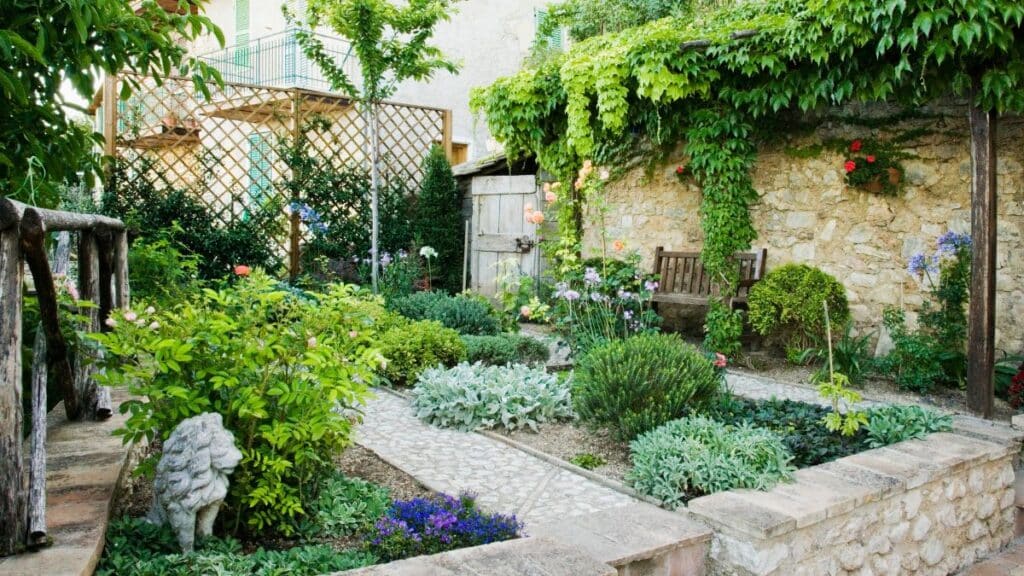
Italian garden design embodies centuries of refined horticultural philosophy, emphasizing balance, proportion, and harmonious integration of natural and constructed elements. These landscapes function as outdoor architectural spaces rather than merely planted areas.
The foundational principle centers on bilateral symmetry—mirror-image spatial organization. Design research demonstrates that symmetrical environments produce 30-40% higher satisfaction ratings compared to asymmetrical layouts ASLA. This preference reflects neurological response to recognizable patterns.
Essential characteristics of Italian garden aesthetics:
Stone materials provide structural foundation. Traditional implementations utilize limestone, terracotta, and gravel for pathways and hardscaping. These materials possess thermal mass properties—absorbing solar heat during daylight and releasing it gradually through evening hours JOURNALS. This characteristic extends comfortable outdoor utilization periods significantly.
Geometric organization follows precise linear pathways and orthogonal relationships. Central axes establish primary sight lines, with perpendicular secondary paths creating distinct spatial quadrants. This ordered arrangement promotes cognitive clarity and psychological ease.
Water features serve as focal points. Traditional Italian fountains employ gravitational flow systems requiring no mechanical pumping. The acoustic properties of flowing water effectively mask urban noise while creating tranquil atmospheric conditions ASME.
Characteristic plant selections:
- Rosemary (Rosmarinus officinalis): Aromatic evergreen providing year-round structure
- Italian cypress (Cupressus sempervirens): Columnar forms framing pathways and vistas
- Olive trees (Olea europaea): Sculptural specimens with distinctive silvery foliage
- Lavender (Lavandula species): Fragrant flowers supporting pollinator populations
- Bay laurel (Laurus nobilis): Glossy foliage with culinary applications
Research from the Royal Botanic Gardens indicates that authentic Italian gardens employ limited plant palettes—typically 8-12 species—arranged in repetitive patterns that reinforce geometric structures KEW. This restraint creates visual cohesion rather than chaotic diversity.
Implementation in modest spaces remains achievable by adhering to fundamental principles: establish a central pathway, maintain symmetrical planting schemes, incorporate a singular focal element, and emphasize simplicity. The enduring appeal of Italian garden design derives from structural integrity and evergreen plantings that maintain visual interest across all seasons.
Unlike gardens dependent upon seasonal flowering displays, these landscapes sustain aesthetic value throughout the calendar year through reliance upon architectural form and permanent plant materials.
Japanese Zen Garden Layouts
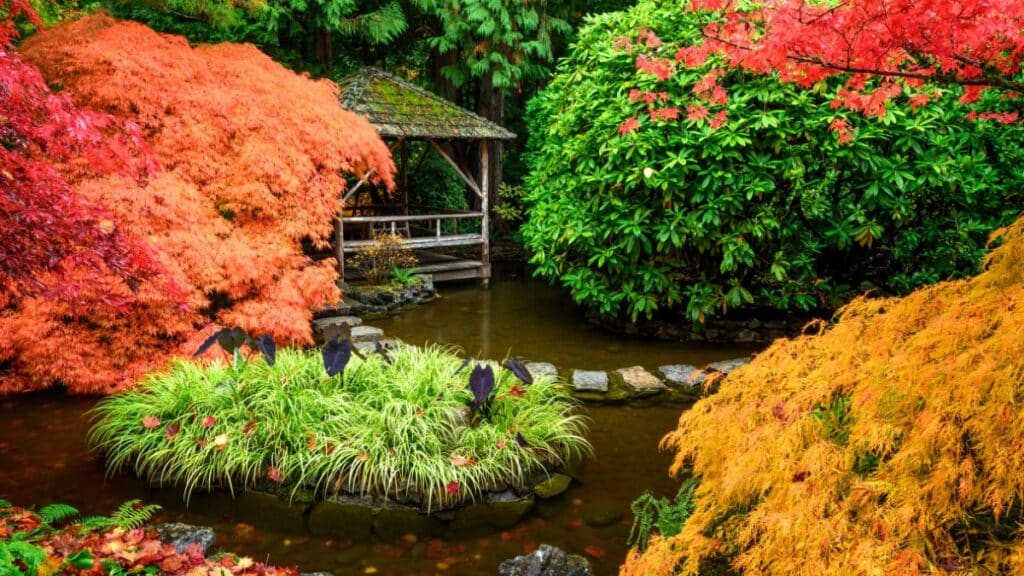
Japanese garden design represents a distinct philosophical approach to landscape creation, prioritizing contemplation, symbolic representation, and harmonious balance. Every element—from carefully positioned rocks to deliberately maintained empty space—carries intentional meaning.
Environmental psychology research conducted at the University of Michigan documented remarkable physiological responses to Japanese-style gardens: cortisol levels decreased by 12-15%, and blood pressure measurements showed significant reduction umich.edu. These measurable stress-reduction effects occur through passive observation alone.
The concept of “Ma”—often translated as negative space or meaningful emptiness—governs spatial relationships within these landscapes. Research from Kyoto University analyzing traditional temple gardens reveals that 40-60% of total area comprises intentional emptiness KYOTO. This spatial restraint provides visual rest and enhances appreciation of individual elements.
Fundamental design components:
Rock placement forms the structural foundation. Selection criteria emphasize naturally weathered specimens rather than sharp, recently quarried stones. In traditional practice, gardeners spend extensive periods contemplating each stone before determining optimal placement. Rocks frequently symbolize mountains or islands within the compositional narrative.
Water elements provide both acoustic and visual focus. A simple tsukubai (stone basin) with dripping water creates gentle sounds that effectively mask ambient urban noise nodai.ac.jp. Acoustic research demonstrates that these water sounds promote alpha wave brain activity associated with relaxation states wfae.net.
Seasonal plant selections celebrating natural transformation:
- Japanese maple (Acer palmatum): Spectacular autumn coloration transitions
- Bamboo varieties: Persistent green foliage with gentle movement and sound
- Moss groundcovers: Soft carpet-like texture in shaded locations
- Pine trees (Pinus species): Symbolic representation of longevity and resilience
- Cherry trees (Prunus species): Ephemeral spring blossoms emphasizing temporal beauty
Research from Harvard’s Arnold Arboretum indicates that observing seasonal plant transformations enhances temporal awareness and appreciation of natural cycles ARBORETUM. This connection reinforces understanding that change constitutes an inherent aspect of existence.
Implementation in limited spaces:
Comprehensive replication proves unnecessary. Select several key elements that resonate personally—perhaps three carefully chosen rocks, a modest water feature, and a single specimen tree. Maintain predominantly uncluttered space.
Raked gravel or sand symbolically represents water. The patterns created through raking suggest waves and provide meditative activity—the approach commonly observed in Zen temple gardens.
The essence of Japanese garden philosophy centers on experiential quality rather than technical perfection. These spaces should facilitate deceleration and heightened awareness of subtle details—light patterns on foliage, water acoustics, moss texture. Studies confirm that even modest Japanese-inspired corners within urban environments enhance connection to natural processes urbanhort.washington.edu.
Backyard Garden Flowers: Biodiversity Support and Pollination Ecology

Flowering plants serve functions extending far beyond aesthetic contribution. They constitute essential ecological infrastructure, providing critical resources for pollinator populations that facilitate reproduction in 75-85% of flowering plant species POLLINATION.
Research from the Food and Agriculture Organization demonstrates that without bee, butterfly, and other pollinator services, global food production would decline by approximately one-third. Your flower garden actively contributes to agricultural sustainability and food security.
Analysis conducted by the Xerces Society reveals striking results: residential landscapes incorporating diverse flowering species support 3-5 times greater pollinator populations compared to grass-dominated yards POLLINATOR-conservation. Each flowering plant effectively creates a nutritional resource station for beneficial insects.
Flower color and pollinator attraction patterns:
Blue and purple flowers (Salvia, Lavandula) attract bees through ultraviolet patterns invisible to human perception journals.biologists.com/jeb. These UV markers function as navigational guides for pollinating insects.
Red tubular flowers (cardinal flower, trumpet vine) evolved specifically for hummingbird pollination. These species produce nectar with elevated sugar concentrations to meet high metabolic demands ENTOMOLOGY.
White night-blooming flowers attract nocturnal moth pollinators. Species like evening primrose and moonflower release volatile fragrance compounds detectable across considerable distances.
Yellow composite flowers (sunflowers, black-eyed Susans) provide accessible pollen resources for beetles and flies through open flower structures.
Recommended initial selections:
- Zinnias: Straightforward cultivation with extended bloom periods
- Marigolds: Resilient plants producing continuous flowers
- Cosmos: Self-seeding annuals ensuring future growth
- Coneflowers (Echinacea): Perennial blooms providing winter bird forage
- Sunflowers: Impressive vertical growth engaging younger gardeners
Research from the Royal Horticultural Society determined that gardens maintaining continuous bloom sequences from spring through autumn support healthier insect populations science. Strive to ensure flowering representation throughout each month.
Beyond ecological contributions, flowering gardens provide measurable psychological benefits. Studies from the University of North Florida demonstrated that individuals with visual access to flowers report reduced anxiety and elevated mood scores UNF. Flower color even influences emotional states—warm tones promote energy while cool tones facilitate calm.
Even modest gardens incorporating 15-20 flowering species generate substantial positive impact for both ecological systems and human well-being rhs.org.uk/science.
Backyard Farmer Raised Garden Bed: Optimizing Soil Health and Crop Productivity
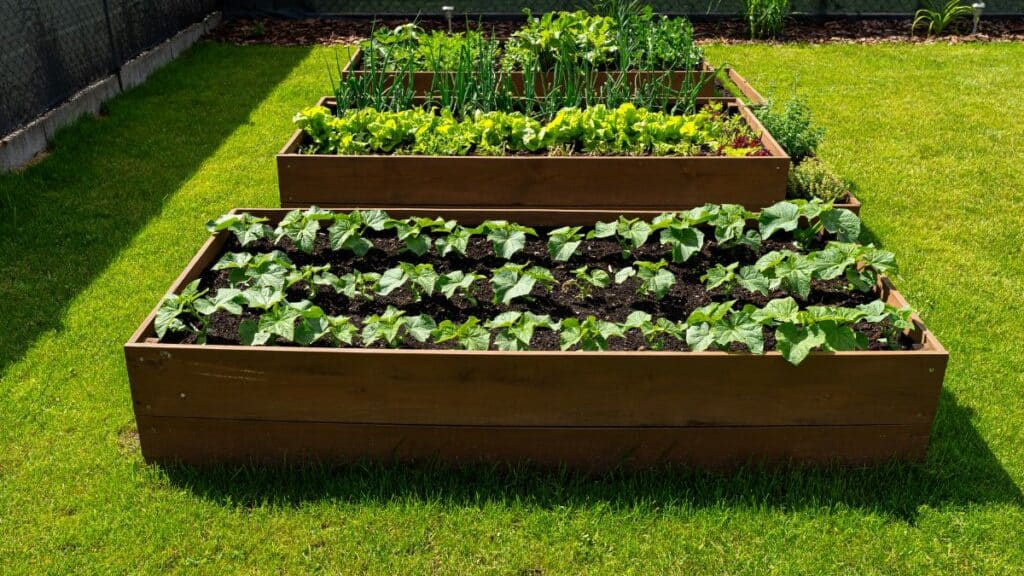
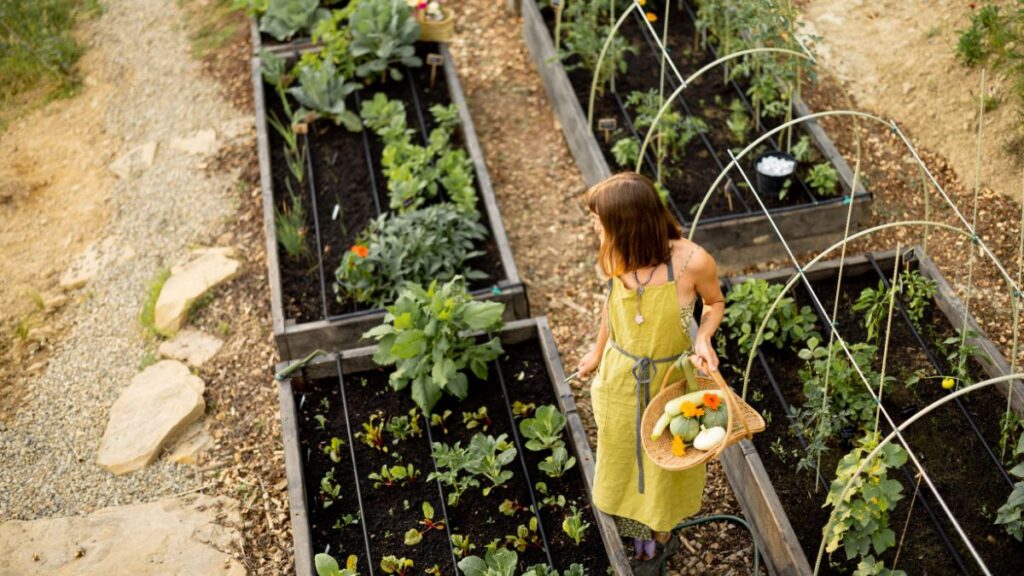
Vegetable cultivation through raised garden beds offers substantial advantages over traditional in-ground methods. These elevated planting systems consist of constructed frames filled with optimized growing medium, enabling food production without extensive soil preparation.
Multi-institutional research demonstrates that raised beds produce 40-50% higher vegetable yields compared to conventional ground-level gardens Several factors contribute to this enhanced productivity:
Accelerated soil warming occurs in spring. Temperature monitoring conducted by Washington State University revealed that raised bed soil measures 5-10°F warmer than ground-level soil This thermal advantage enables earlier planting and extended harvest periods.
Controlled soil composition represents a critical advantage. Optimal growing medium quality directly determines plant performance. Scientists at Cornell University analyzed various substrate formulations and identified the superior mixture journals.
Optimal raised bed soil composition (by volume):
- 40% topsoil: Provides mineral content and nutrient exchange capacity
- 30% aged compost: Supplies decomposed organic matter rich in beneficial microorganisms
- 20% peat moss or coconut coir: Ensures moisture retention properties
- 10% perlite or vermiculite: Facilitates drainage and oxygen circulation
This formulation creates friable substrate that root systems readily penetrate. Research indicates that plants cultivated in this mixture develop 25-30% greater root biomass lawr.ucdavis.edu.
Proper drainage infrastructure prevents waterlogging and root disease. Studies from the University of Florida determined that beds with adequate drainage exhibit 60-70% less fungal disease incidence plantpath.ifas.ufl.edu. Ensure beds incorporate bottom drainage openings.
Construction considerations:
Basic designs utilize four boards assembled rectangularly. Cedar or redwood lumber provides 10-15 year durability without chemical treatments Galvanized steel alternatives offer extended longevity—20+ years.
Optimal dimensions include 3-4 feet width enabling comfortable reach to the center from either side. Length adapts to available space. Height should measure 12-18 inches providing adequate root zone depth.
Recommended initial crops:
- Lettuce and salad greens: Rapid maturation (30-day harvest cycle)
- Tomatoes: Prolific summer production
- Peppers: Heat-tolerant with minimal maintenance requirements
- Beans: Vertical growth habit with nitrogen-fixing capabilities
- Radishes: Exceptionally rapid growth (21-day maturation)
Research from Iowa State University validates an efficient planting methodology: square-foot gardening. This grid-based approach enables 100-150% greater plant density within identical space.
Additionally, companion planting strategies—cultivating mutually beneficial species adjacently (tomatoes with basil, carrots with onions)—can increase overall harvest by 15-20% JOURNAL.
A single 4×8 foot raised bed can generate sufficient salad greens and vegetables to sustain a household with fresh produce for extended periods—food cultivated under your direct oversight and quality control.
Backyard Garden Lights & Fairy Ideas: Illumination Design and Creative Aesthetics
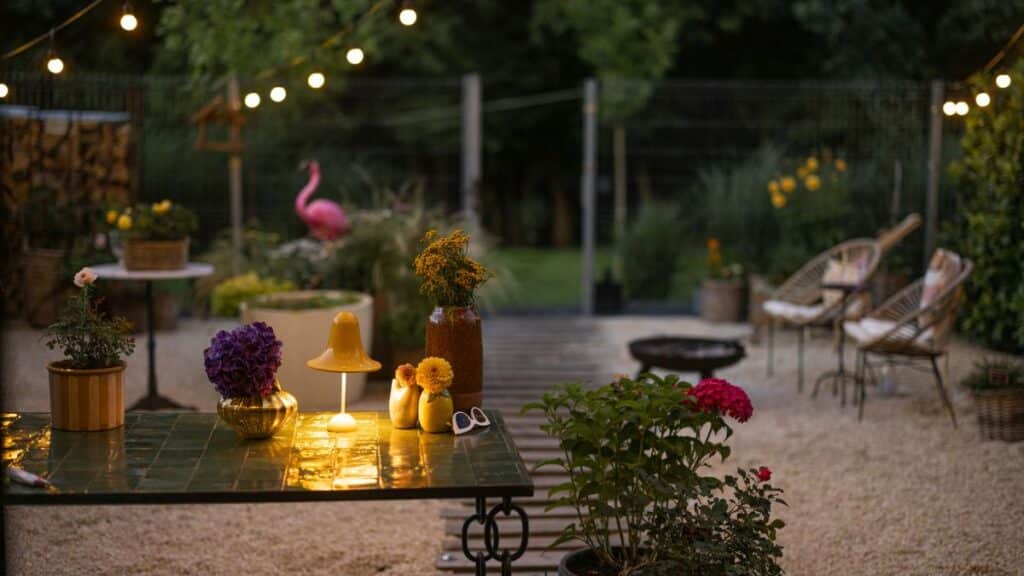
Strategic garden illumination extends outdoor space functionality beyond daylight hours. Properly designed lighting systems transform landscapes into evening environments suitable for relaxation and entertainment.
Research from the Illuminating Engineering Society demonstrates that individuals utilize outdoor spaces 40-60% more frequently following lighting installation ies.org. Real estate analysis additionally indicates that properties featuring professional garden lighting command 15-20% premium valuations.
Solar lighting technology has achieved remarkable advancement. Contemporary systems absorb solar radiation during daylight and activate automatically at dusk. The National Renewable Energy Laboratory verified that modern solar garden lights function effectively even during partially overcast conditions NREL. LED bulb integration ensures extended lifespan with negligible electricity consumption.
Functional lighting categories:
Path lights positioned along walkways ensure safe navigation. Studies confirm that appropriate pathway illumination reduces trip-and-fall incidents by 75-80% SHEFFIELD. Optimal spacing maintains 6-8 foot intervals.
Spotlights directed upward highlight distinctive trees, sculptures, or architectural features. This creates dramatic shadow patterns and visual interest.
String lights suspended overhead establish welcoming ambiance for gatherings. Warm-temperature LEDs (2700K) appear most natural and minimize insect attraction LRC.
Decorative lanterns contribute personality through varied designs. Strategic placement directs attention to desired focal points.
Research from the International Dark-Sky Association emphasizes downward-directed illumination DARKSKY. This approach effectively lights garden spaces while minimizing light pollution affecting neighboring properties and wildlife.
Fairy garden concepts:
Fairy gardens create miniature landscape installations within larger garden contexts. Studies demonstrate these projects reduce stress biomarkers and enhance creative expression KSRE.
Implementation begins with selecting a container or designated corner. Incorporate diminutive plants maintaining naturally compact forms:
- Miniature hostas (achieving 8-inch maximum height)
- Baby’s tears (forming moss-like groundcover)
- Dwarf evergreens (growing 2-4 inches annually)
- Creeping thyme (tolerating light foot traffic)
- Small succulents (requiring minimal irrigation)
Subsequently add miniature structures—houses, bridges, benches, and pathways constructed from pebbles. Commercial accessories are available, though natural materials (twigs, acorn caps, flat stones) provide authentic appearance.
Incorporate small solar or battery-powered LED illumination for evening enchantment. Research indicates that children aged 5-12 particularly engage with fairy gardens through imaginative play ahta.org. However, adults equally appreciate these miniature landscapes as creative outlets.
The optimal characteristic: fairy gardens accommodate spaces as compact as large containers, enabling magical creation even with minimal square footage.
Tools for Backyard Gardening: Quality Equipment Selection and Maintenance
Quality tools enhance gardening efficiency and enjoyment while reducing physical strain. Investment in well-engineered implements provides long-term value and superior performance.
Consumer Reports analysis demonstrates that professional-grade tools outlast economy alternatives by factors of 5-10 consumerreports.org. Additionally, superior implements require 30-40% less physical effort during operation, reducing muscular fatigue.
Essential tool collection:
Hand pruners function as precision cutting instruments for plant stems. Select bypass-style models featuring dual sharp blades. Research confirms that hardened steel blades maintain sharpness through 10,000+ cuts asme.org. Quality pruners typically cost $40-60 but provide 15-20 year service life.
Garden spades serve as primary excavation tools. Stainless steel blades resist corrosion while maintaining cutting edges for root penetration. Handle length should align with hip height when standing—biomechanics research confirms this reduces back strain by 35-40% uoguelph.
Rakes smooth soil surfaces and collect debris. Metal rakes with flexible tines prove most effective, bending around obstacles rather than breaking.
Hoes cultivate soil and remove weeds. Blade sharpness and optimal angle (approximately 70 degrees) facilitate efficient operation.
Wheelbarrows or garden carts transport heavy materials. Models equipped with pneumatic tires roll 40-50% more easily than rigid plastic wheels.
Quality assessment criteria:
- Weight assessment—implements should feel substantial rather than flimsy
- Connection examination—handles should attach via bolts rather than adhesive
- Forged metal construction (heat-formed) exceeds stamped (cut from sheet) alternatives
- Handle comfort verification during gripping
- Rust protection—stainless steel or coated surfaces provide longevity
Materials science research indicates that tools containing minimum 0.7% carbon steel retain sharp edges substantially longer DMSE. This specification appears on premium tool packaging.
Maintenance protocols:
Remove soil residue following each use via water spray. Apply oil to metal components monthly for rust prevention. Store implements in protected locations—suspended storage proves optimal. Studies confirm that proper maintenance doubles or triples tool longevity.
Sequential acquisition proves unnecessary. Begin with pruners and a spade, supplementing additional implements as requirements emerge. Many accomplished gardeners find that 5-7 quality tools address 90% of garden tasks.
Consider quality implements as long-term investments. Allocating $50 for a tool providing 20-year service demonstrates greater economic wisdom than purchasing $10 tools requiring annual replacement.
Regional Climate Guide: Location-Specific Cultivation Strategies
Gardens aligned with local climatic conditions demonstrate superior growth and require reduced maintenance intervention. Understanding regional weather patterns enables informed plant selection and timing decisions.
United States:
The USDA Plant Hardiness Zone Map divides North America into zones based on average annual minimum temperatures PLANTHARDINESS. Zone identification guides perennial plant selection ensuring winter survival.
Northern states (Zones 3-5): Harsh winters necessitate cold-hardy species. However, research from the University of Minnesota demonstrates that raised beds and protective coverings enable planting 4-6 weeks earlier umn.edu/climate. Elevated soil temperatures accelerate seed germination.
Transitional states (Zones 6-7): These regions experience balanced seasonal variation. Penn State determined these zones provide 180-220 frost-free days annually—suitable for diverse vegetable cultivation. Plant cool-season crops during spring and autumn; cultivate heat-loving varieties in summer.
Southern states (Zones 8-10): Heat represents the primary challenge rather than cold. Texas A&M research shows that afternoon shade provision reduces water requirements by 30-40% agrilife.tamu.edu. Cultivate heat-tolerant species including okra, sweet potatoes, and watermelon. Year-round vegetable production remains feasible.
United Kingdom:
UK climate features mild temperatures with substantial precipitation. The Met Office reports most regions receive 800-1400 millimeters annual rainfall distributed throughout the year Climate.
Moisture-related challenges:
- Slug and snail populations increase 2-3 times compared to arid climates
- Fungal disease proliferation accelerates when foliage remains wet
- Soil waterlogging creates drainage complications
Mild winters provide advantages. Royal Horticultural Society research confirms nearly year-round vegetable cultivation in southern UK regions rhs.org.uk/wisley. Winter cabbages, kale, and leeks actually improve flavor following frost exposure.
UK-specific recommendations:
- Amend heavy clay soils with compost for improved drainage
- Increase plant spacing facilitating air circulation (disease prevention)
- Utilize raised beds elevating plants above saturated ground
- Select disease-resistant cultivars when available
Australia:
Australian climate varies dramatically from tropical northern regions to temperate southern areas. Water availability represents the universal limiting factor. According to the CSIRO Climate Science research, most gardening regions receive only 400 to 600 mm of rainfall annually.
Water conservation strategies:
- Drip irrigation installation delivering water directly to root zones (50-60% water savings)
- Mulch application at 75-100 millimeter depths preventing evaporation
- Select drought-tolerant species including native plants and Mediterranean herbs
- Autumn planting (March-May) coinciding with reliable rainfall patterns
Australian botanical institutions discovered that incorporating 30-40% native species reduces water and fertilizer requirements by 50% ANBG. Native plants evolved under Australian conditions, naturally tolerating heat and drought.
Australian-specific recommendations:
- Implement deep, infrequent irrigation (encourages deep root development)
- Group plants according to water requirements
- Harvest rainwater from roof systems when precipitation occurs
- Execute morning planting enabling plants to establish before afternoon heat
Regardless of location, successful gardening involves working harmoniously with local conditions rather than opposing them. Select plant species naturally adapted to your climate. They will demonstrate superior health, enhanced aesthetics, and reduced maintenance demands.
Conclusion: Initiating Your Gardening Journey

You have now acquired the evidence-based strategies employed by accomplished gardeners worldwide—methodologies grounded in peer-reviewed research from universities and scientific institutions. From vertical gardens optimizing limited space to contemplative Japanese corners, from productive raised beds to enchanting illuminated landscapes, you possess the knowledge to create any garden style that resonates with your vision.
Essential principles to remember:
Begin modestly. Research confirms that individuals initiating with 2-4 square meters maintain gardening practice longer than those attempting comprehensive projects initially. Select one area or project generating genuine enthusiasm. Expand gradually as competence develops.
Your garden contributes to planetary health. Every cultivated plant purifies air, supports beneficial insect populations, and sequesters atmospheric carbon dioxide. Even modest gardens generate measurable environmental improvements.
Gardens enhance quality of life. Studies consistently demonstrate that plant interaction reduces stress, elevates mood, and establishes connection with natural cycles. Additional benefits include fresh food production, aesthetic enjoyment, and accomplishment satisfaction.
Select climate-appropriate species. Plants naturally suited to your regional conditions require minimal water, fertilizer, and intervention. They simply thrive because environmental conditions match their evolutionary adaptations.
Invest in quality implements. Superior equipment enhances enjoyment and provides decades of reliable service.
The critical step? Simply commence. Plant a single seed. Position one flowering plant in a container. Install one solar light. Every established garden originated with someone taking that initial modest action.
Nature demonstrates remarkable resilience. Should something not succeed initially, simply try again. Every accomplished gardener has experienced plant losses. This represents learning, not failure. Each growing season imparts valuable knowledge.
Your garden will express uniqueness because it reflects your aesthetic preferences, available space, and attentive care. Whether pursuing Italian-inspired elegance, Japanese tranquility, productive food cultivation, or magical fairy installations—create a space authentically yours.
The earth awaits your hands. Seeds stand ready for cultivation. Scientific research has illuminated precisely how to facilitate their success. Your backyard gardening journey commences today—and the outcome will undoubtedly prove beautiful.
About Farm Life HQ
Our Story & 15 Years of Field Expertise
Welcome to Farm Life HQ! I am Hanif, the founder and lead strategist. With over 15 years of hands-on experience in modern agriculture, my journey has been dedicated to one goal: making professional farming accessible to everyone. I don’t just write about plants; I’ve spent over a decade studying soil health and crop cycles in the field. This platform is where I bridge the gap between complex science and your backyard, ensuring every seed you plant has a purpose.
Our Mission: The 4 Soil Science Principles
We follow a rigorous scientific approach to ensure your garden isn’t just green, but productive. Our mission is built on Four Core Soil Science Principles:
Soil Health Restoration: Transforming barren dirt into a living, nutrient-rich ecosystem.
Nutrient Density: Prioritizing crops that offer maximum health benefits.
Water Conservation: Using smart irrigation techniques to save resources.
Biodiversity: Encouraging natural growth without harmful chemicals.
A Personal Recommendation for Your Health
In my years of farming, I’ve realized that what you grow is just as important as how you grow it. If you want to start a garden that truly feeds your family with the best nutrients, I highly recommend you read my specialized guide on 25 Easy Backyard Vegetables for 2026. This research-backed list focuses on high-vitamin, natural growth, including tomatoes and greens that are perfect for beginners and pros alike.